


ph688 | The Expansive World of Simulation Games: From Virtual Cities to Flight Decks
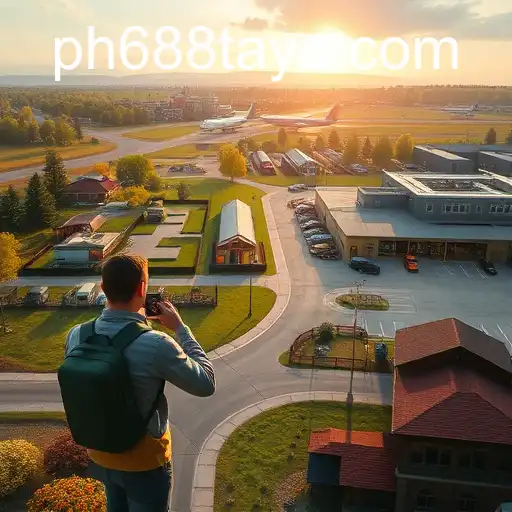
As the digital landscape continues to evolve, gaming has established itself as a principal form of entertainment and cultural impact. Among the various genres engaging players around the globe, 'Simulation Games' have carved a special niche. This genre, marked by its attempt to replicate real-world activities, offers immersive experiences that range from managing a sprawling metropolis to tending a quaint countryside farm.
Simulation Games give players an authentic sense of control and creativity, often blurring the lines between reality and the virtual world. The allure of these games lies in their ability to provide realism coupled with the flexibility to experiment without real-world consequences. Whether it's simulating the hustle of running an airport or the delicate intricacies of operating within a complex ecosystem, these games can be as instructive as they are entertaining.
A notable aspect of simulation games is their diverse subgenres, such as life simulation, vehicle simulation, construction and management simulation, and many others. These categories cater to a broad audience, allowing players to delve into their interests – be it piloting an aircraft, designing and managing cities, or even simulating historical and futuristic events.
Website communities often categorize these games under keywords like 'ph688', making them easily accessible to enthusiasts. These keywords help in aggregating content, reviews, and resources related to specific themes or gameplay elements, thus enhancing the player's exploration and interaction with their favorite titles.
Furthermore, simulation games are not just about entertainment; they can also be powerful educational tools. They can inspire learning by placing players in scenarios that require strategic thinking, resource management, and critical decision-making. An aspiring architect can explore urban planning in a virtual environment, while a future pilot can hone their skills through realistic flying simulations.
With the rise of technology and the advent of virtual reality, the boundaries of what simulation games can achieve are constantly being pushed. Developers are increasingly offering more sophisticated graphics, sound, and mechanics to deepen the level of immersion. As these technological advances continue, it's clear that the influence and appeal of simulation games will only expand, attracting more players into their compelling and innovative worlds.
